Real Analysis / Advanced Calculus
Learner population
Upper-level undergraduate and graduate mathematics students making the transition from computational to proof-based mathematics — a shift that trips students up on reasoning style far more often than on content difficulty.
What I built
- A full course built from scratch: sequencing, materials, and assessments, co-designed with a colleague
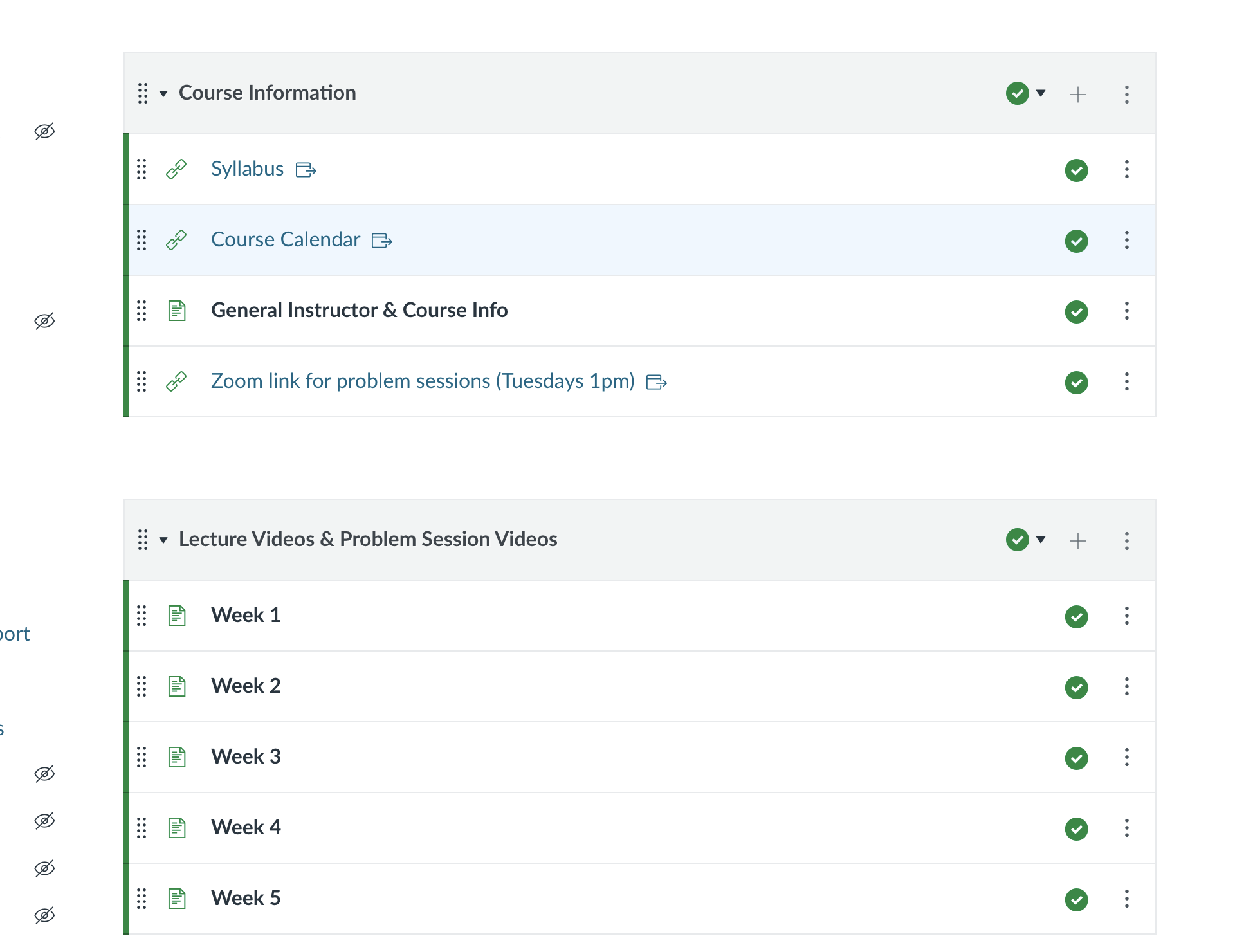
- Two recorded lectures released weekly, paired with a live Thursday problem session to work through proofs in real time
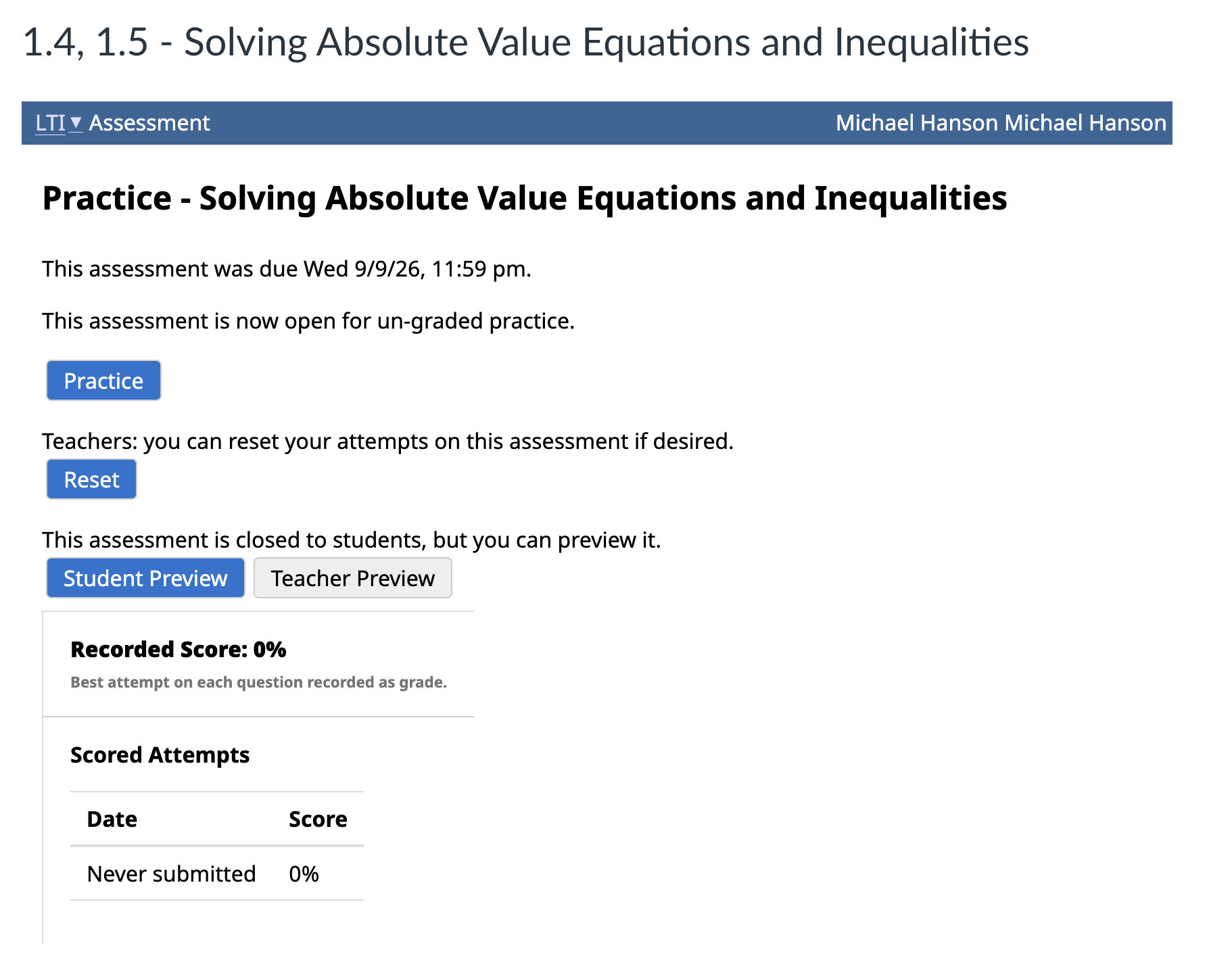
- Weekly ungraded homework sets designed to build proof-writing fluency through repetition, backed by weekly quizzes and two midterms to check retention
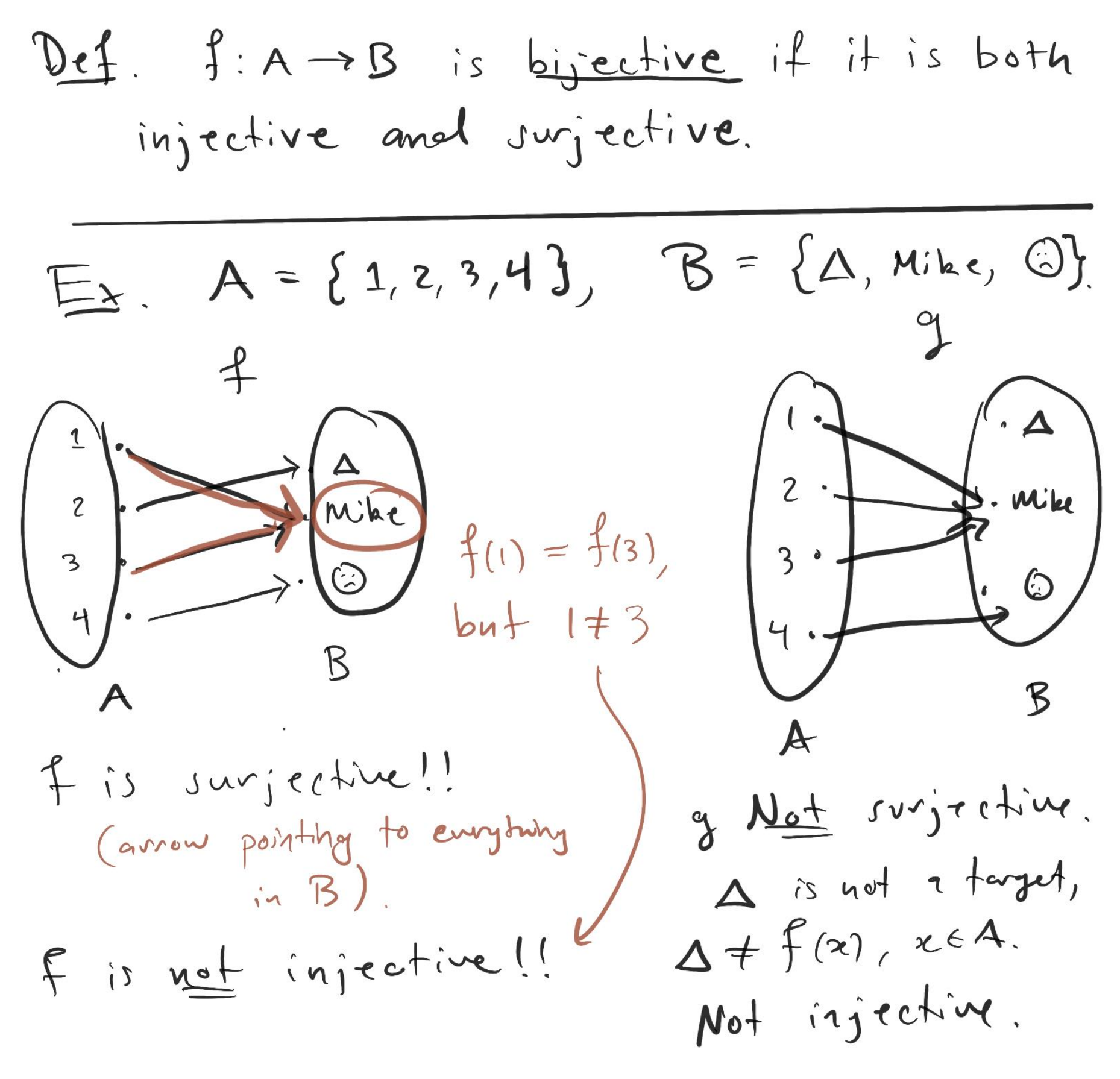
- Learning outcomes centered on non-formulaic problem solving and persuasive, precise mathematical writing — not just correct answers
Design decisions
I deliberately separated practice from assessment: homework stays low-stakes and ungraded so students engage with hard problems without fear of penalty, while quizzes and exams measure what actually stuck. The two lowest quiz grades are dropped to absorb the normal bumps of learning a new reasoning style without distorting the signal on mastery.
Business Analysis (Business Math) — OER Curriculum Redesign
Learner population
Business undergraduates with limited math backgrounds, taking a required course covering functions, matrices, linear programming, probability, and finance applications — material that only matters to most of these students once it's tied to a real business decision.
What I built
- Led a full audit of the existing curriculum and required materials against the course's stated learning outcomes
- Won an internal grant to rebuild the course around open educational resources, cutting required-material costs for students
- Rebuilt materials and assessments to close gaps between what was being taught and what was being tested — e.g., aligning matrix and linear-programming instruction directly to the optimization problems students were expected to solve
- Coordinated the redesign across a 16-week course calendar spanning three unit exams and a comprehensive final
Design decisions
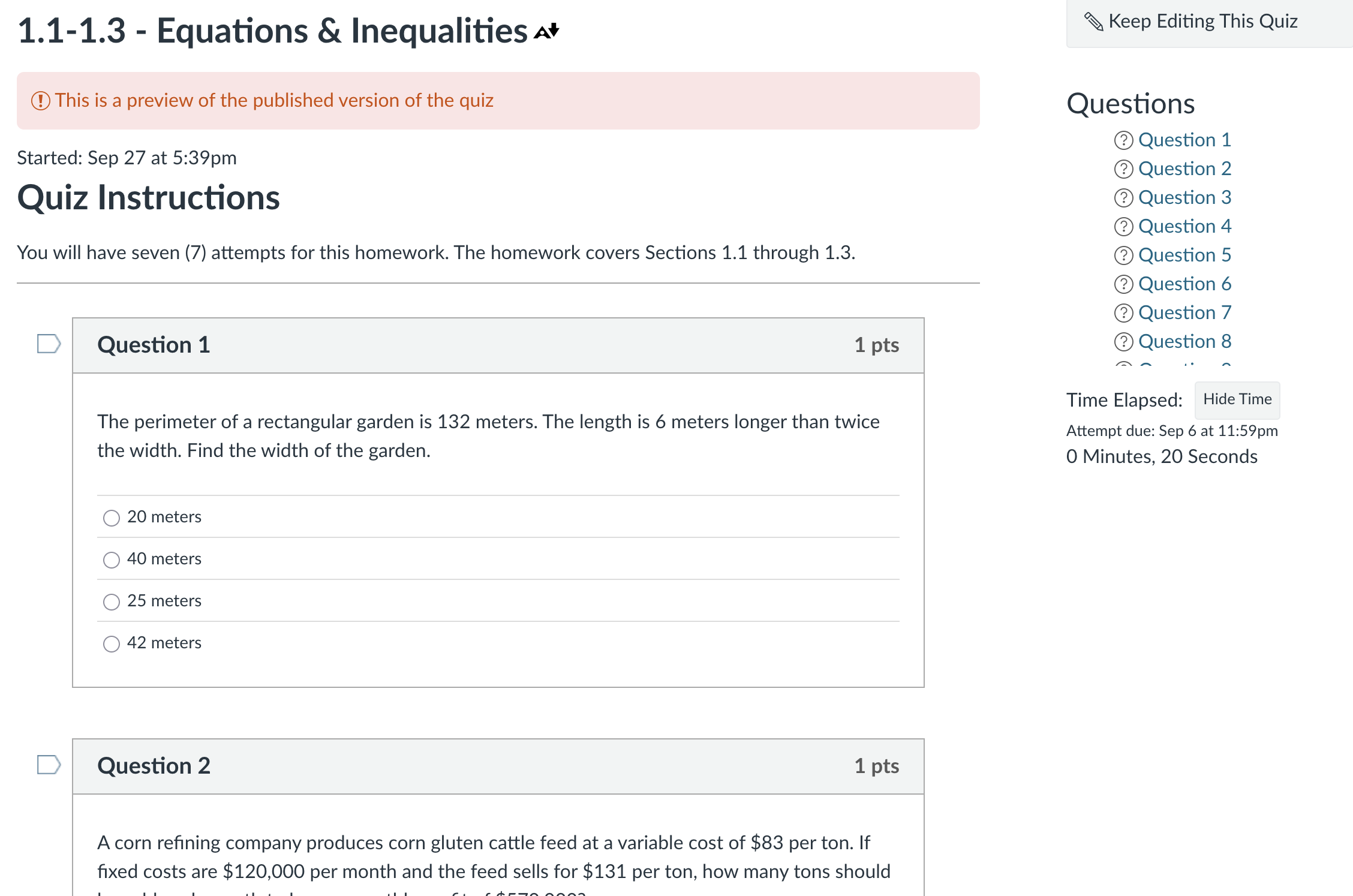
Because most students in this course won't go on to take more math, I prioritized material that ties directly to business decisions — cost/revenue/profit modeling, optimization, and compound interest — over abstract treatment of the same topics, while keeping the course's core learning outcomes intact.